

Create a Paradise: Designing with the Prettiest Garden Flower
How thoughtful planting transforms coastal properties on Martha’s Vineyard and Cape Cod into refined, living landscapes
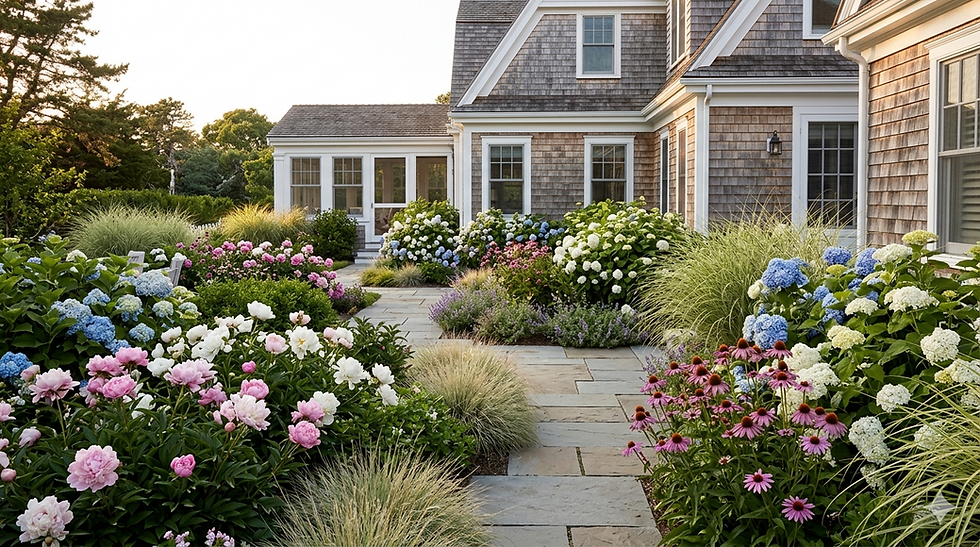
There is a common assumption that the beauty of a garden comes down to the flowers themselves. The right colors, the right varieties, the right seasonal blooms.
In reality, the most compelling landscapes rarely rely on flowers alone.
On Martha’s Vineyard and Cape Cod, where salt air, wind exposure, and shifting soil conditions influence every planting decision, the difference between a garden that feels intentional and one that feels temporary often comes down to how those flowers are chosen, placed, and supported over time.
The prettiest garden flowers are not defined by appearance alone. They are defined by how well they perform, how naturally they integrate into the environment, and how they evolve through the seasons.
Why Choosing the Right Flowers Matters
Selecting flowers without considering the environment creates a familiar pattern.
A garden looks vibrant in its first season. Next, certain areas struggle. Colors fade unevenly. Some plants thrive while others decline without a clear reason.
This is especially common in coastal regions.
Salt exposure affects leaf structure and blooming cycles. Sandy soil drains quickly, often faster than expected. Wind can stress taller or more delicate varieties.
Without planning for these factors, even the most beautiful garden flowers become short-term features instead of long-term elements.
Long-term landscape performance begins with how the entire space is planned and executed, not just the flowers themselves, something reflected in full landscape design approaches. https://www.millersprolandscape.com/
Types of Beautiful Garden Flowers
A balanced landscape typically combines different plant categories, allowing the space to feel consistent rather than seasonal.
Annuals
Annuals provide immediate color and visual impact. They are often used to fill spaces, define edges, or introduce variation throughout the season.
Zinnias
Bright and structured, zinnias offer consistent blooms and handle sun exposure well. They work particularly well in areas with strong light and controlled irrigation.
Petunias
Petunias are adaptable and provide extended blooming periods. In coastal environments, they perform best when protected from excessive wind exposure.
Perennials
Perennials form the backbone of a long-term landscape. They return each year and create continuity across seasons.

Peonies
Peonies bring a level of visual weight and softness that defines high-end gardens. Their bloom period is brief, but their structural presence lasts beyond flowering.
Echinacea

Durable and resilient, echinacea handles varying conditions well and provides subtle texture that complements more prominent blooms. In well-designed landscapes, perennials are not just decorative. They stabilize the visual structure of the garden over time.
Seasonal Blooms and Long-Term Balance
One of the most common mistakes in planting is designing for a single moment.
A garden that peaks in spring but fades by mid-summer creates imbalance. A space that blooms heavily in summer but lacks early-season presence feels incomplete.
The goal is not constant color. It is continuity.
The most refined gardens are built on plant selection that aligns with the local environment, particularly when working with native species that naturally adapt to Martha’s Vineyard conditions.
Spring Flowers
Spring establishes the foundation of the landscape.
Tulips- introduce clean, structured color early in the season.
Daffodils- provide resilience and return year after year with minimal maintenance.
These early blooms define the initial impression of the property, especially important for seasonal homes.
Summer Flowers
Summer brings fullness and depth.
Sunflowers add vertical movement and visual interest.
Marigolds introduce warmth and durability, particularly in high-exposure areas.
In coastal environments, summer planting must account for heat, wind, and soil conditions, ensuring that blooms maintain consistency rather than decline under pressure.
Designing for Coastal Locations
Plant selection changes significantly depending on location.
Cape Cod and Martha’s Vineyard
Coastal gardens require a different approach entirely.
Plants must tolerate:
Salt air exposure
Fast-draining sandy soil
Strong and constant wind
Seasonal temperature variation
Sea oats provide natural movement and integrate seamlessly with coastal surroundings.
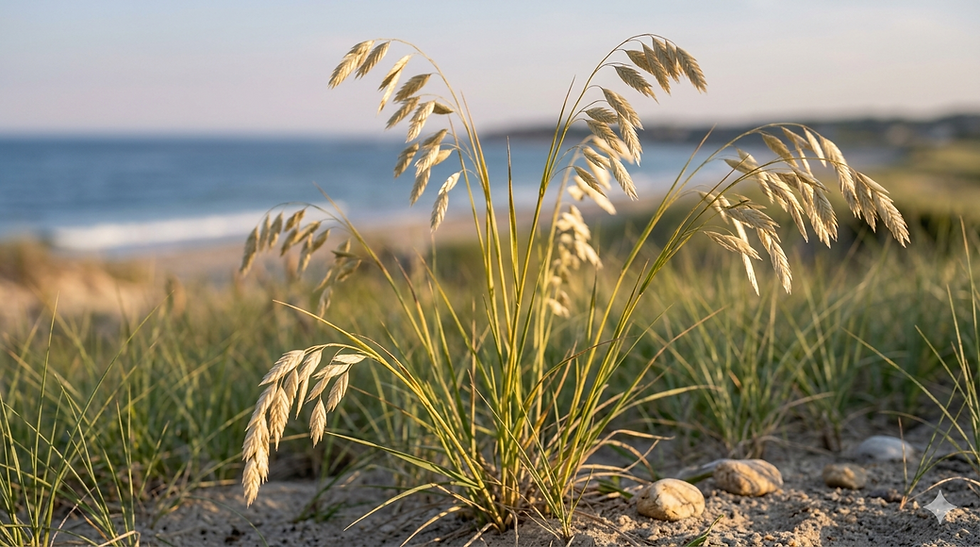
Beach rose offers durability and subtle color while thriving in conditions that challenge most traditional garden flowers.

These choices do not just survive. They belong to the environment.
Understanding this relationship between plant selection and location is what separates decorative planting from true landscape design, especially when considering how outdoor spaces integrate with the full property: https://www.millersprolandscape.com/post/https-millerslandscape-com-outdoor-living-marthas-vineyard-cape-cod
More Protected or Urban Areas
In more sheltered locations, a broader range of flowers can perform well.
Daylilies offer consistency and adaptability.
Black-eyed Susans provide color while requiring minimal intervention.
Even in these environments, the goal remains the same. Choose plants that align with the conditions rather than forcing the environment to adapt.
Design Principles That Define High-End Gardens
The prettiest garden flowers only reach their full potential when supported by thoughtful design.
Color Relationships
High-end landscapes rarely rely on excessive color variation.
Instead, they focus on:
Controlled palettes
Repetition of tones
Subtle contrast
This creates a sense of calm and cohesion rather than visual overload.
Layering and Depth
Flat planting creates flat spaces.
Layering introduces dimension.
Lower plantings define edges. Mid-level flowers create continuity. Taller elements provide structure and movement.
This approach allows the garden to feel complete from multiple perspectives, whether viewed from inside the home or experienced outdoors.
Integration with the Property
The most refined landscapes do not feel separate from the home.
They extend it.
Flower selection, placement, and scale should align with:
Architectural style
Outdoor living areas
Circulation paths
Natural views
When this alignment is achieved, the garden becomes part of the overall experience, not just an addition.
Even the most beautiful garden flowers depend on consistent water balance, which is why irrigation systems play a critical role in maintaining long-term landscape quality. https://www.millersprolandscape.com/irrigation
What defines the prettiest garden flowers in a high-end coastal landscape:
• Flowers selected for performance, not just appearance
• A balance between annual color and perennial structure
• Seasonal planning that avoids visual gaps
• Plant choices aligned with coastal conditions
• Layouts that connect naturally with the home
Closing Perspective
The idea of the “prettiest garden flowers” is often misunderstood.
It is not about finding the most vibrant bloom or the most popular variety.
It is about creating a landscape where every element works together. Where flowers respond to the environment rather than compete with it. Where the garden evolves naturally, season after season.
On Martha’s Vineyard and Cape Cod, this approach is not optional. It is what allows a landscape to remain consistent, refined, and resilient over time.
When done well, the result is not just a beautiful garden. It is a space that feels complete, balanced, and entirely connected to its surroundings.


Comments